
Causes, symptoms and coping strategies
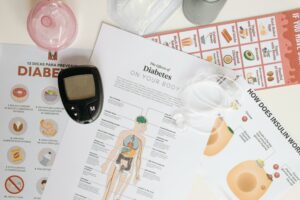
Diabetes is a widespread metabolic disorder that affects millions of people worldwide. What is less well known, however, is the link between diabetes and gastroparesis, a stomach motility disorder that can occur in many diabetics. This blog post takes a closer look at the causes, symptoms and ways of coping with gastroparesis in connection with diabetes.
Causes of gastroparesis in diabetes
Gastroparesis in diabetics, also known as diabetic gastroparesis, occurs when high blood sugar levels damage the nerves that regulate stomach emptying. Normally, the stomach contracts to pass food into the intestines. However, in gastroparesis, these contractions are insufficient, leading to delays in gastric emptying. The main causes are:
- Autonomic neuropathy: Diabetes can cause damage to the nerves that control the stomach, which can lead to gastroparesis.
- Fluctuating blood sugar levels: Diabetics who experience fluctuations in their blood sugar levels have an increased risk of gastroparesis.
- Long-term diabetes: The longer someone has diabetes, the higher their risk of developing gastroparesis.
Symptoms of gastroparesis in diabetics
The symptoms of diabetic gastroparesis can be wide-ranging and vary from person to person. The most common include:
- Nausea and vomiting: These are often distressing symptoms that can lead to dehydration and malnutrition.
- Early feeling of fullness: Even after small meals, those affected feel excessively full.
- Abdominal pain: This can be either dull, persistent pain or cramp-like discomfort.
- Loss of appetite: Due to persistent discomfort, many sufferers lose their appetite.
- Fluctuations in blood sugar levels: Delays in gastric emptying can lead to unpredictable fluctuations in blood sugar levels.
Managing gastroparesis in diabetes
Managing gastroparesis in diabetes requires a comprehensive treatment team consisting of an endocrinologist, gastroenterologist, and dietitian. Possible treatment options include:
- Dietary change: Adjusting your diet to avoid fibre-rich foods and eating smaller meals can help.
- Blood sugar control: Controlling blood sugar levels is crucial, as well-managed diabetes can reduce the risk of gastroparesis.
- Medication: Prokinetic drugs can promote gastric emptying.
- Gastric Electrical Stimulation (GES): In severe cases, a surgical option may be considered, involving the implantation of a device to stimulate the stomach muscles.
It is important to emphasise that working with a medical team and adhering to recommended treatment guidelines is crucial. Managing gastroparesis in diabetes requires a comprehensive approach to improve quality of life and prevent serious complications.